
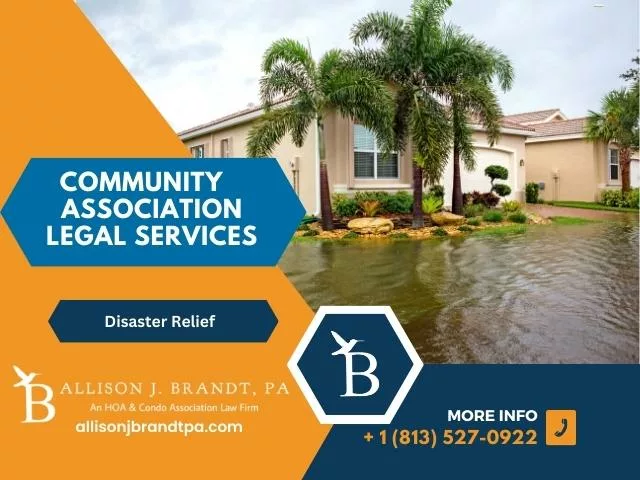
Disaster, natural or man-made, strikes without warning, leaving destruction in its wake. From hurricanes and earthquakes to wildfires and floods, these events disrupt lives and cause substantial damage to properties. In communities governed by a Homeowners Association (HOA), a specific, well-defined framework guides the response to such disasters. This framework outlines the roles and responsibilities of the HOA, its board members, and, crucially, the HOA attorney.
Role of HOAs in Disaster Management
An HOA, a private association formed by a real estate developer for marketing, managing, and selling homes and lots in a residential subdivision, is typically vested with the authority to decide on community rules and disaster management strategies. The HOA board, comprised of elected homeowners from within the community, carries out these functions. The HOA attorney provides legal advice, helps draft resolutions, interprets the law and the HOA’s governing documents, and ensures the board’s actions are legally sound.
The HOA Board’s Responsibilities in Disaster Response
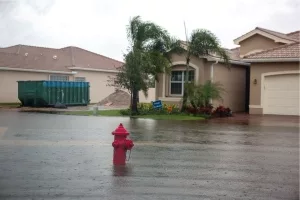
When a disaster occurs, the HOA board is responsible for coordinating the immediate response, which often includes emergency repairs and cleanup. The board may need to negotiate with contractors for these services and allocate HOA resources appropriately. Furthermore, the board must communicate with the homeowners, informing them about the progress of the response and addressing any concerns they may have.
The HOA attorney plays a pivotal role in these activities. They advise the board on the legal ramifications of the disaster and the appropriate response. They help the board understand its authority’s scope and obligations under the community’s governing documents and relevant state laws. If there are questions about the responsibility for repairs, the attorney will help interpret the provisions of the governing documents and state law.
The attorney also assists in dealing with insurance companies. Most HOAs have insurance policies covering common areas and may even have a master policy covering all buildings. The attorney can help understand the terms of these policies, file claims, and negotiate with the insurance companies. In addition, they can guide the board in dealing with individual homeowners’ insurance claims, helping to resolve disputes and ensure fair treatment.
The Crucial Role of the HOA Attorney
In the aftermath of a disaster, the HOA may have to levy special assessments to cover the cost of cleanup and repairs. This is a sensitive issue, as homeowners may face financial difficulties due to the disaster. The HOA attorney can provide legal advice on levying these assessments while complying with the law and the HOA’s governing documents.
Accessing Government Aid and Relief Programs
Moreover, the attorney can also help the HOA board access government aid and navigate disaster relief programs. These programs, often administered by agencies like the Federal Emergency Management Agency (FEMA) and the Small Business Administration (SBA), can provide grants and loans to help cover the cost of disaster response. The attorney can assist the board in understanding the eligibility requirements, application process, and legal implications of accepting such aid.
The HOA attorney’s role extends to long-term disaster management as well. They can assist the board in developing and implementing a disaster management plan, including evacuation plans and emergency response protocols. They can also help draft and enforce rules related to disaster preparedness, such as requirements for homeowners to maintain their properties in a manner that reduces the risk of damage in a disaster.
Florida Hurricanes: The Role of HOAs in Disaster Response and Recovery
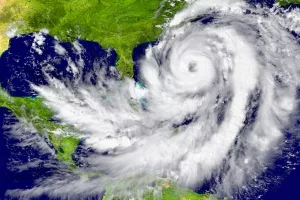
Unfortunately, Florida, popularly known as the “Sunshine State,” is no stranger to the devastating forces of hurricanes. These natural disasters can wreak havoc on communities, causing enormous damage to properties and infrastructure. In such scenarios, Homeowners Associations (HOAs) and their attorneys become crucial players in disaster relief, response, and recovery.
In Florida, the law recognizes the need for HOAs to have a detailed plan to address the fallout from hurricanes. Florida Statute § 720.316 extends certain emergency powers to the HOA board of directors during a state of emergency, such as the ability to cancel and reschedule meetings, name assistant officers who aren’t directors, relocate the association’s principal office, and implement a disaster plan before or immediately following the event causing the emergency.
Dealing with Insurance Companies
One of the most crucial aspects of post-hurricane is dealing with insurance claims. Florida’s tropical climate makes insurance complex, especially with hurricane and windstorm damage policies. The HOA attorney helps interpret the terms of the insurance policies, file claims, and negotiate settlements with insurance companies.
Often, disputes may arise between the HOA and individual homeowners over the responsibility for repairs, especially regarding damages caused by hurricanes. The HOA attorney is instrumental in resolving these disputes, guided by the terms of the governing documents, state law, and the specific circumstances of the damage.
Special Assessments and Financial Considerations
Assessments, specifically special assessments levied post-disaster, are another area where the HOA attorney plays a key role. If the insurance does not fully cover the damage or if the HOA does not have adequate reserves, the board may need to levy a special assessment. Florida law has specific requirements about how and when such assessments can be imposed. The attorney can provide legal advice on this process, helping the board comply with the law while understanding and respecting the concerns of homeowners who may already be under financial stress due to the disaster.
Long-Term Disaster Management
Lastly, part of the recovery process is learning from the experience and improving the community’s preparedness for future hurricanes. The HOA attorney can help the board review and revise its disaster management plan and associated rules, ensuring they are comprehensive, legally sound, and in the community’s best interests.
Hurricanes in Florida highlight the significant role played by HOAs and HOA attorneys in disaster response and recovery. They form a critical part of the response infrastructure, providing leadership, coordination, legal guidance, and long-term planning that help communities recover and rebuild.
Conclusion
When a disaster strikes a community governed by an HOA, the board, with the assistance of the HOA attorney, plays a critical role in managing the immediate response and long-term recovery. The attorney’s expertise in law and the HOA’s governing documents ensures that the board’s actions are legally sound, that insurance claims and disaster relief applications are handled correctly, and that the community’s interests are represented and protected. Thus, in the complex, often stressful, disaster relief process, the HOA attorney stands as an invaluable resource for the HOA board, steering it on the right path.